
Introduction
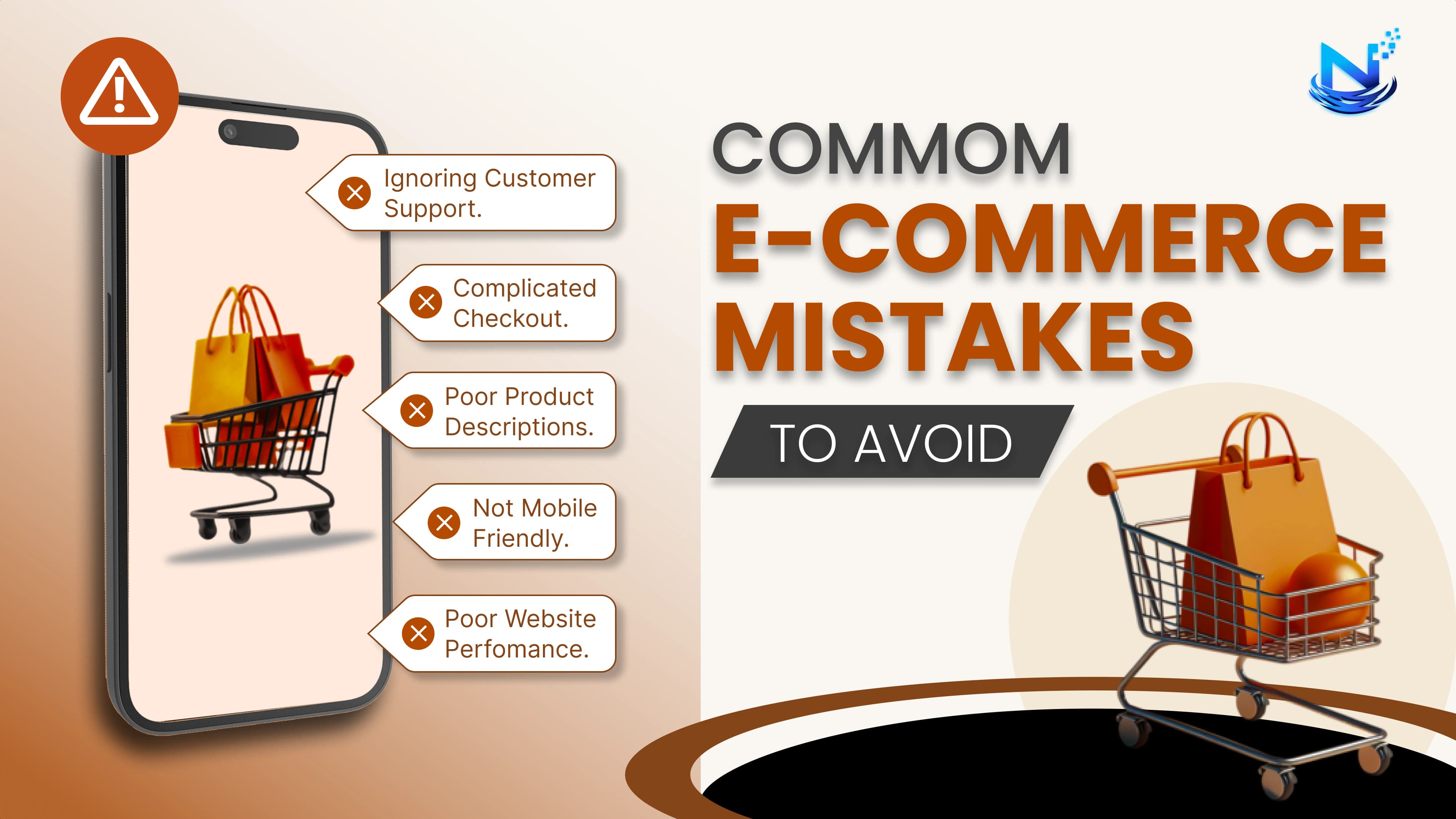
Launching an online store has never been easier, but building a profitable e-commerce business is more challenging than ever. With thousands of online stores competing for customer attention, even small mistakes can significantly impact your sales, search rankings, customer satisfaction, and long-term growth.
Many entrepreneurs invest heavily in products and marketing but overlook the fundamentals that determine whether customers actually buy. Poor website performance, weak product descriptions, complicated checkout processes, and ineffective SEO strategies can silently reduce conversions.
Whether you run a Shopify store, WooCommerce website, Amazon business, Flipkart marketplace, or a custom e-commerce platform, understanding these common mistakes can help you avoid unnecessary losses and build a scalable online business. If you are planning a new store, our ecommerce SEO service and marketplace management service can help you build the right foundation.
In this guide, you will learn the most common e-commerce mistakes to avoid, why they happen, and practical solutions to improve your online store's performance.
Why Avoiding E-Commerce Mistakes Matters
Every mistake affects one or more critical business metrics:
- Organic traffic
- Conversion rate
- Customer trust
- Brand reputation
- Customer retention
- Return on investment
- Search engine rankings
- Revenue growth
Even improving one weak area can significantly increase monthly sales. A faster product page, clearer checkout, or better search structure can turn lost visitors into paying customers.
1. Ignoring SEO from Day One
One of the biggest mistakes online store owners make is treating SEO as an afterthought. Without proper e-commerce SEO, your products remain invisible to potential customers searching on Google.
Common SEO mistakes include:
- Missing title tags
- Duplicate product descriptions
- Thin product content
- Missing meta descriptions
- Poor URL structure
- No internal linking
- No image optimization
- Missing schema markup
How to fix it:
- Research target keywords before publishing products.
- Write unique product descriptions.
- Optimize category pages.
- Add descriptive alt text to images.
- Implement Product Schema.
- Improve website speed.
- Build internal links between related products and categories.
For technical setup, follow official Google Search Central ecommerce guidance and build a clear SEO structure from the start. Our technical SEO service can also help with audits, schema, indexing, and Core Web Vitals.
2. Poor Website Speed
Modern shoppers expect pages to load quickly. Slow websites increase bounce rates, reduce conversions, and weaken search performance.
Signs your website is too slow:
- Images load slowly
- Checkout takes too much time
- Mobile pages freeze
- Bounce rate is high
- Conversion rate is low
Speed optimization tips:
- Compress images
- Enable browser caching
- Use a CDN
- Minify CSS and JavaScript
- Upgrade hosting
- Lazy load images
Fast websites improve both SEO and customer experience. You can also review Google's web.dev performance guidance for practical speed improvements.
3. Ignoring Mobile Users
More than half of online purchases now happen on smartphones, yet many stores are still designed mainly for desktop users.
Common mobile problems include:
- Tiny buttons
- Hard-to-read fonts
- Poor navigation
- Slow loading
- Difficult checkout
Best practices:
- Use responsive design.
- Simplify mobile navigation.
- Make CTA buttons easy to tap.
- Optimize product images.
- Reduce checkout friction.
Google primarily indexes the mobile version of websites, making mobile optimization essential for long-term visibility.
4. Weak Product Descriptions
Copying manufacturer descriptions is one of the fastest ways to lose rankings and customer interest. Buyers need information that answers their real purchase questions.
Strong product descriptions should include:
- Features
- Benefits
- Specifications
- Use cases
- Materials
- Warranty
- Care instructions
- FAQs
Instead of simply listing features, explain how those features solve customer problems. If your store needs stronger product copy, our content writing service can help create SEO-friendly product and category content.
5. Low-Quality Product Images
Customers cannot physically inspect online products, so images become your digital salesperson.
Best practices:
- Show multiple angles.
- Add zoom functionality.
- Use lifestyle images.
- Include clean white-background images.
- Add size comparison images.
- Use short product videos where useful.
Professional visuals increase buyer confidence and reduce uncertainty before checkout.
6. Complicated Checkout Process
Every extra checkout step increases cart abandonment. A confusing checkout can erase the value of good traffic and strong product pages.
Common checkout mistakes:
- Mandatory account creation
- Too many form fields
- Hidden charges
- Limited payment methods
- Slow payment gateway
How to optimize checkout:
- Allow guest checkout.
- Offer multiple payment options.
- Use autofill-friendly forms.
- Show progress indicators.
- Keep pricing transparent.
A smooth checkout directly increases conversions.
7. Hidden Shipping Costs
Unexpected shipping charges remain one of the leading reasons customers abandon carts.
Be transparent about:
- Shipping charges
- Delivery dates
- Return policies
- Taxes
- Cash-on-delivery availability
Transparency builds trust and prevents last-minute frustration.
8. Not Building Customer Trust
People buy from businesses they trust. If your store feels incomplete or risky, customers will hesitate even when they like the product.
Important trust signals include:
- SSL certificate
- Customer reviews
- Secure payment icons
- Return policy
- Privacy policy
- Contact information
- About Us page
A professional website also strengthens trust. For more context, read our guide on why every business needs a professional website in 2026.
9. Ignoring Customer Reviews
Reviews influence purchasing decisions more than advertising. Encourage verified buyers to leave honest feedback after purchase.
Display:
- Ratings
- Customer photos
- Verified purchase badges
- Customer questions
- Recent feedback
Fresh reviews also generate user-created content that can support SEO.
10. Poor Inventory Management
Nothing frustrates customers more than ordering unavailable products. Poor stock handling can damage reviews and repeat purchases.
Use inventory systems to:
- Track stock
- Forecast demand
- Automate alerts
- Prevent overselling
- Sync marketplace listings
Inventory accuracy improves customer satisfaction and operational reliability.
11. Weak Search and Navigation
Visitors should find products within seconds. If they struggle to browse, they leave.
Improve navigation using:
- Clear categories
- Filters
- Search suggestions
- Breadcrumb navigation
- Product recommendations
Good navigation reduces bounce rates and helps users discover more products.
12. Ignoring Analytics
Many businesses make decisions based on assumptions instead of data.
Monitor metrics such as:
- Conversion rate
- Bounce rate
- Cart abandonment
- Organic traffic
- Revenue
- Returning customers
- Best-selling products
Analytics helps identify the highest-value opportunities for improvement.
13. Poor Customer Service
Excellent customer support creates loyal customers and protects your brand reputation.
Offer support through:
- Phone
- Live chat
- Help center
Respond quickly to customer concerns, especially around shipping, returns, payments, and product issues.
14. Neglecting Email Marketing
Many visitors do not purchase on their first visit. Email marketing helps recover lost sales and improve retention.
Automate:
- Welcome emails
- Cart abandonment emails
- Product recommendations
- Review requests
- Seasonal offers
Email remains one of the highest ROI marketing channels for online stores.
15. Not Using Structured Data
Schema markup helps search engines understand your products, reviews, breadcrumbs, and business information.
Useful schema types include:
- Product Schema
- Review Schema
- FAQ Schema
- Organization Schema
- Breadcrumb Schema
Structured data can improve eligibility for rich search results and make product information clearer to search engines.
16. Ignoring Security
Cybersecurity is essential for every online business. Customers must feel safe entering personal and payment information.
Protect your store by:
- Using HTTPS
- Updating plugins
- Enabling two-factor authentication
- Backing up data
- Monitoring suspicious activity
Security protects both your customers and your reputation.
17. Focusing Only on New Customers
Acquiring customers is expensive. Retaining existing customers is usually more profitable.
Retention strategies include:
- Loyalty programs
- Personalized recommendations
- Exclusive discounts
- Reward points
- Subscription models
Repeat customers often spend more over time and are easier to convert than cold visitors.
18. Inconsistent Branding
A professional brand builds recognition and trust.
Maintain consistency in:
- Logo
- Typography
- Colors
- Product photography
- Messaging
- Packaging
Consistent branding improves recall and makes your store feel more reliable.
19. Overlooking Local SEO
If your business serves specific regions, optimize for local searches.
Local SEO tips:
- Create a Google Business Profile.
- Use location-based keywords.
- Display business address clearly.
- Collect local reviews.
- Create city-specific landing pages.
This is especially important for businesses offering local delivery or regional services. Our local SEO service can help businesses improve local visibility.
20. Failing to Test and Improve
Successful e-commerce stores continuously optimize.
Regularly test:
- Headlines
- CTA buttons
- Product pages
- Checkout flow
- Pricing
- Images
- Landing pages
Small improvements can produce substantial gains in conversion rates. You can also compare your platform choices with our guide on custom website vs WordPress if you are deciding how to build or rebuild your store.
Best Practices for Long-Term E-Commerce Success
Successful online businesses consistently focus on:
- User experience
- Fast website performance
- SEO optimization
- High-quality content
- Secure payments
- Customer trust
- Mobile optimization
- Data-driven decision making
- Personalized shopping experiences
- Excellent customer support
For broader ecommerce learning, the Shopify Blog is a useful external resource for online selling, store growth, and customer acquisition ideas.
FAQs
What is the biggest mistake in e-commerce?
Ignoring SEO, poor user experience, slow website speed, and complicated checkout processes are among the biggest mistakes that reduce traffic and sales.
Why is SEO important for an e-commerce website?
SEO helps your products appear in search engine results, increasing organic traffic, improving visibility, and reducing dependence on paid advertising.
How can I reduce cart abandonment?
Simplify checkout, offer guest checkout, provide transparent shipping costs, support multiple payment methods, and send cart recovery emails.
How important are product descriptions?
Unique, detailed, and customer-focused product descriptions improve SEO, answer buyer questions, and increase conversion rates.
Does website speed affect sales?
Yes. Faster websites provide a better user experience, improve search rankings, reduce bounce rates, and increase conversions.
Should small businesses invest in structured data?
Absolutely. Schema markup helps search engines understand product information and may improve visibility through rich search results.
Conclusion
Building a successful e-commerce business requires much more than listing products online. From SEO and website speed to customer trust, checkout optimization, and data-driven decision-making, every element contributes to your store's overall performance.
Avoiding these common e-commerce mistakes can improve search rankings, enhance user experience, increase customer loyalty, and drive sustainable revenue growth. Focus on continuous optimization, monitor analytics, and prioritize your customers' needs to stay competitive in the evolving digital marketplace.
By implementing the best practices outlined in this guide, you can create a stronger foundation for long-term success and position your online store to attract more visitors, convert more customers, and achieve lasting business growth. If you want help improving your store, contact NesttechPro for ecommerce SEO, content, and digital growth support.